Warner Music buys Sureel AI, the startup that tracks how AI uses artists' work
Warner Music Group announced on June 10, 2026 that it is acquiring Sureel AI, an attribution startup whose patented technology traces how AI models use artists' work in training and generation. Sureel will keep operating as a standalone platform; terms were not disclosed.
The biggest open question in AI music has never been whether models train on artists' work. It is whether anyone can prove it, item by item, and route money back accordingly. Warner Music Group just bought one of the few companies claiming it can.
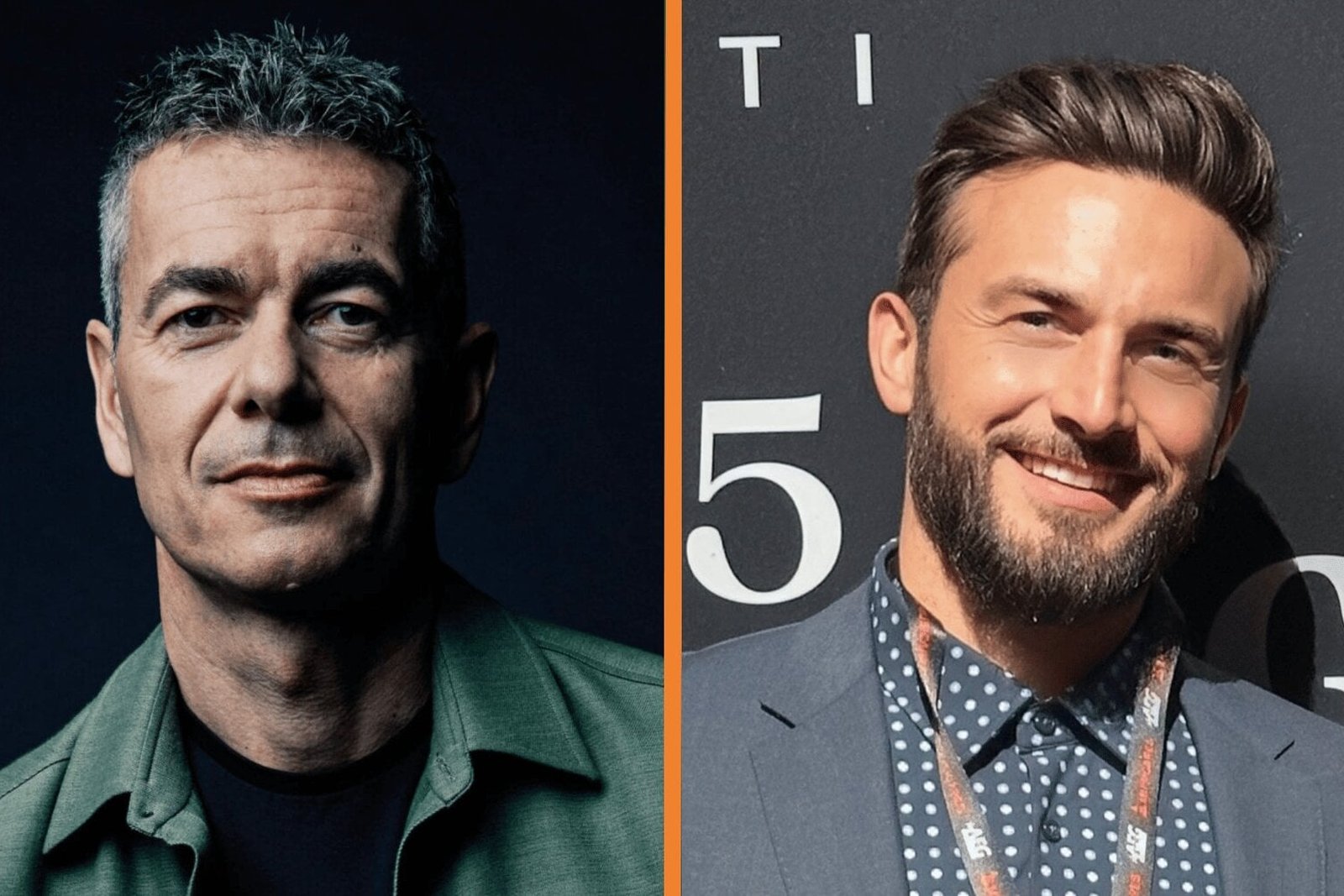
WMG announced on June 10 that it is acquiring Sureel AI, a startup founded in 2022 by Dr. Tamay Aykut, previously a visiting assistant professor at Stanford. Sureel's patented system builds what it calls an AI DNA for every work: it breaks a track into component parts, then traces how AI models use those elements in both training and generation. Around that core sit provenance records, audit and compliance reporting, and a growing suite that tracks voice clones, AI avatars and style replication.
The registry already holds millions of music assets, and the architecture extends to video and image. Sweden's collection society STIM had already named Sureel its preferred attribution provider for the world's first collective AI license for music, which is about as strong an institutional endorsement as this young field offers.
WMG chief executive Robert Kyncl framed the deal as making sure "the creative community remains in control of its intellectual property," and said AI makes the human provenance of music more important than ever. Sureel continues to operate as a standalone platform serving the wider industry, and financial terms were not disclosed.
The timing is the story. The acquisition follows WMG's licensing settlements with Suno and Udio in late 2025 and its purchase of distribution-tech firm Revelator in April, and it arrives days after the American Federation of Musicians sued both UMG and WMG over those same AI licensing deals. Attribution, in other words, is no longer a research problem. It is the fault line the next decade of music economics gets argued over, and Warner just bought a stake in the measuring equipment.