How to Track Which DJs Are Playing Your Tracks (and What the Data Misses)
Combine four sources: 1001Tracklists data through Songstats alerts for documented sets and radio shows, promo feedback from platforms such as Inflyte for who downloaded and rated your track, Shazam data in Apple Music for Artists for cities where crowds are identifying it, and DJ chart inclusions. Collecting society fingerprinting pays you for club plays but will not name the DJ.
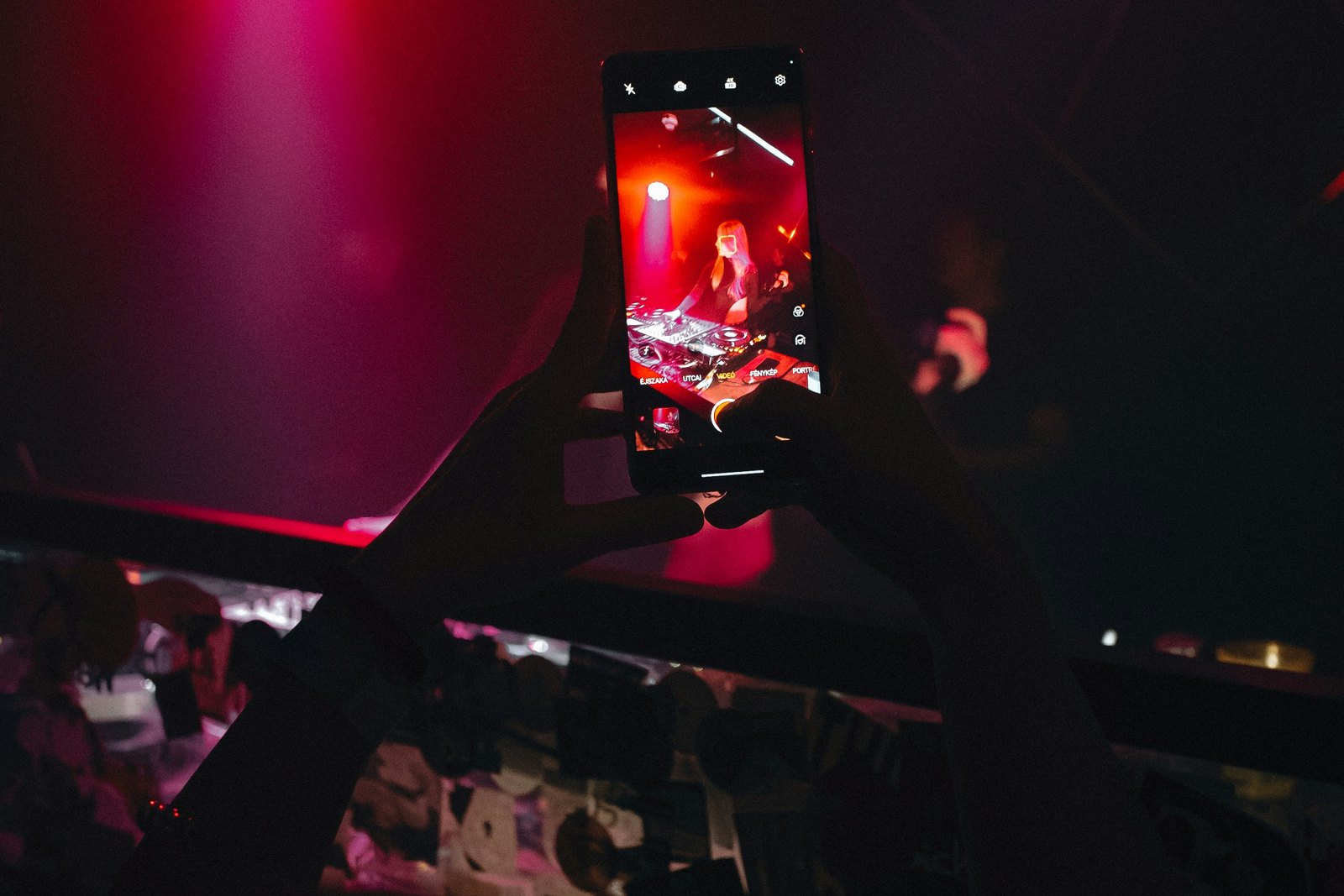
Most producers find out about DJ support by accident. A friend sends a shaky Instagram story from a basement in Berlin, there's your unreleased track at 3am, and you have no idea who was playing or how long they've had it. Then you start wondering how many other nights you never heard about.
In electronic music, DJ support is the currency that moves everything else. It's what labels ask about, what bookers look for, and often what drives Beatport sales long before streaming numbers move. Yet almost nobody tracks it properly, because no single dashboard shows it. You have to stitch the picture together from four or five sources, each with its own blind spot.
Why is DJ support so hard to track?
Streaming analytics were built for listeners, not for CDJs. When a DJ plays your track from a USB stick, Spotify never hears about it. Club crowds rarely film full sets, plenty of techno venues discourage phones entirely, and a big share of what gets played is unreleased music that shows up in tracklists as an ID.
Even the systems that do hear every track aren't designed to tell you who played it. Collecting society fingerprinting exists to pay rights holders, not to hand out setlists. So the realistic goal isn't a complete list. It's a reliable picture built from the sources that do exist, checked every week.
How do 1001Tracklists and Songstats show who played your track?
1001Tracklists is the backbone of documented DJ support. It's a database of tracklists from DJ sets, radio shows, festivals, podcasts and mixes, built by a community that identifies tracks by ear, including unreleased tracks, remixes and mashups that audio recognition misses. A track only appears once it's been identified in a documented performance, and charts such as Most Heard, Trending and Newcomer have become standard references in dance music campaign reports.
Songstats grew out of the 1001Tracklists team and launched in April 2020. It's the practical way to use that data without refreshing pages all day: it sends notifications when DJs play your tracks, and it follows Beatport, Traxsource and DJ chart inclusions alongside the streaming platforms. For many producers, a Songstats alert is the first sign that a big name has picked up a record.
Read the data the way a label would. The count of plays matters less than who is playing and how the support spreads. Five DJs from your own city is a scene. The same five, plus two from other countries and a radio show, is momentum. Watch whether support is concentrated around a few names or widening over the weeks, because that's the story a label manager will look for.
Know the blind spot. 1001Tracklists is strongest where sets are recorded and discussed: festival streams, radio shows, big club nights. A warehouse party with a no-phones policy may never produce a tracklist. No entry doesn't mean no support, it means nobody documented it.
You can help your tracks resolve cleanly. Keep your artist name, track titles and mix names identical everywhere, from your distributor to Beatport to your promo copies, so that when an ID finally gets matched, it lands on the right record rather than a misspelt duplicate.
What can promo feedback tell you before release?
Before a track is out, your promo campaign is the best early signal. Inflyte, one of the standard promo platforms for dance labels and PR, asks DJs to leave a star rating and written feedback to unlock the download, and delivers promos by email, its mobile apps, rekordbox and Dropbox. It also offers RADAR, which tracks airplay across radio, streams and DJ sets.
Treat downloads with caution. A download is interest, not support. The useful move is to turn your feedback list into a watch list: the DJs who rated the track highly are the ones whose next sets, radio shows and stories you check.
If you're self-releasing without a promo platform, a private streaming link, a short list of DJs and one simple ask still works: if you play it, tag me. Many will, and every tag is evidence you can use.
How can Shazam data reveal club plays?
Crowds leave fingerprints. When a track hits in a club, people Shazam it. Apple Music for Artists shows your Shazam counts, the countries, regions and cities where your track is being identified, and Shazam chart positions. Music reaches the Shazam catalogue through an Apple-approved distributor, so make sure the release is live before promo copies spread too widely.
Read the pattern, not the total. A cluster of Shazams in one city on a Saturday night, with no playlist add or viral post to explain it, usually means a DJ played the track. Check that weekend's line-ups in that city and you'll often find the answer within minutes.
Spotify for Artists gives you a second angle through its top cities view. It moves more slowly, because it reflects listening after the night rather than identification during it, but a city that climbs your list a week after a big weekend there is worth noting next to the Shazam data.
Beatport added Track ID to its mobile app in May 2026 to help DJs identify tracks in loud rooms, including pitched and blended ones. It doesn't give artists a dashboard, but it's one more reason your track needs to be in the stores, correctly tagged, before it circulates.
Does collecting society fingerprinting tell you which DJ played you?
It pays you, but it won't name the DJ. In the Netherlands, Buma/Stemra fingerprints festival sets with partners including DJ Monitor, Pioneer DJ and SoundAware, and says it identifies at least 95% of works at each event. In clubs it combines Pioneer equipment data with fingerprinting, and it also points DJs to Vollou, an app that records sets and shares them with Buma/Stemra for royalty reporting.
KUVO powered by DJ Monitor, backed by AlphaTheta, reads track data from networked CDJ-3000 and CDJ-2000 players and adds fingerprint matching, with pilots involving PRS for Music and PPL in the UK, Buma/Stemra in the Netherlands and APRA AMCOS and PPCA in Australia. Participating venues have included The Other Side in Amsterdam and FOLD in London. The system is explicitly designed not to capture who played which songs.
So treat this layer as money, not intelligence. Register every track with your collecting society, make sure your ISRCs and writer splits are correct, and let the system pay you for plays you'll never hear about.
Documented support tells you who. Shazam tells you where. Fingerprinting pays you. You need all three.
How do you build a DJ support tracker you'll actually keep?
One table, one weekly habit. Airtable, Notion or a plain spreadsheet will do. Give each row a single piece of evidence and keep the columns boring.
- Date and track.
- DJ name, event or show, and city.
- Source: 1001Tracklists, Songstats alert, promo feedback, Instagram tag or Shazam spike.
- Evidence: a timestamp, a screenshot or the tracklist reference.
- Follow-up: thanked, sent next promo, added to a pitch.
Not all evidence comes from tools. DJs tag producers in Instagram stories, radio stations publish tracklists, and full sets end up on YouTube, SoundCloud and Mixcloud. Screenshot stories the moment you see them, because they disappear after 24 hours, and save the timestamp of any recorded set where your track appears.
Spend twenty minutes every Monday going through the week's alerts, Shazam cities, promo feedback and tags. If you use an AI assistant, it can turn a pile of alerts into a deduplicated list by city, but check every name against the source. A support list with one invented DJ destroys your credibility with the exact people you're trying to impress.
Then use it. Thank the DJ, send them your next promo, and bring the list to label and booking conversations. A verified line reading supported by, followed by five real names, does more in a pitch than any streaming screenshot.
What to do this week
- Set up Songstats for your catalogue and switch on notifications.
- Search 1001Tracklists for each of your releases and log what's already there.
- Open Apple Music for Artists and note the top Shazam cities for your last three releases.
- Create the tracker with the five columns above and backfill the last three months.
- Check your collecting society registrations and ISRCs for every track DJs are playing.
Within a month you'll know which DJs actually move your records, and that list is worth more than any follower count.
Quick answers
Can I see exactly which DJs downloaded my promo?
Yes, if you send it through a promo platform such as Inflyte, which shows who opened, rated and downloaded the promo alongside their written feedback. That tells you who is interested, not who played it. Use the list to decide whose sets and radio shows to watch after release, and follow up personally with the DJs who rated it highest.
Why is my track showing as an ID on 1001Tracklists?
Unreleased music usually appears as an ID until the community can match it to a released or announced track. Once your release is out with consistent artist and title information, the ID can be linked to the right record. Keeping names identical across your distributor, Beatport and promo copies makes that match far more likely.
Is Songstats worth paying for as an underground producer?
If DJ support matters to your career, usually yes. Basic artist analytics are free, but push notifications and deeper track data sit behind a paid plan, and the alerts are the part that saves you hours of manual checking. Try the free trial around a release, see how much support it surfaces, then decide. Plans change, so check current details first.
Do DJs have to report the tracks they play?
In most places reporting sits with venues, promoters and collecting societies rather than with individual DJs, and more of it now happens automatically through fingerprinting and DJ equipment data. In the Netherlands, Buma/Stemra also offers routes such as the Vollou app for recording and sharing sets. That data feeds royalty payments rather than public tracklists.
How much DJ support do labels want to see?
There's no fixed number. Labels care more about who supports a track than how many, and about whether support spreads beyond your own circle. A handful of respected DJs in your genre, a documented radio play and a Shazam spike in a key city tell a stronger story than dozens of plays from friends. Show quality and momentum.