How do I collaborate with other artists on releases?
Agree on the split before you write a note. Decide who owns what, how royalties divide, and which name the track releases under. Put it in writing, even a short message thread. Then pick one distributor, set clear promo roles, and treat the rollout as a shared job rather than a favor one person does.
How do I collaborate with other artists on releases?
The Music Is the Easy Part
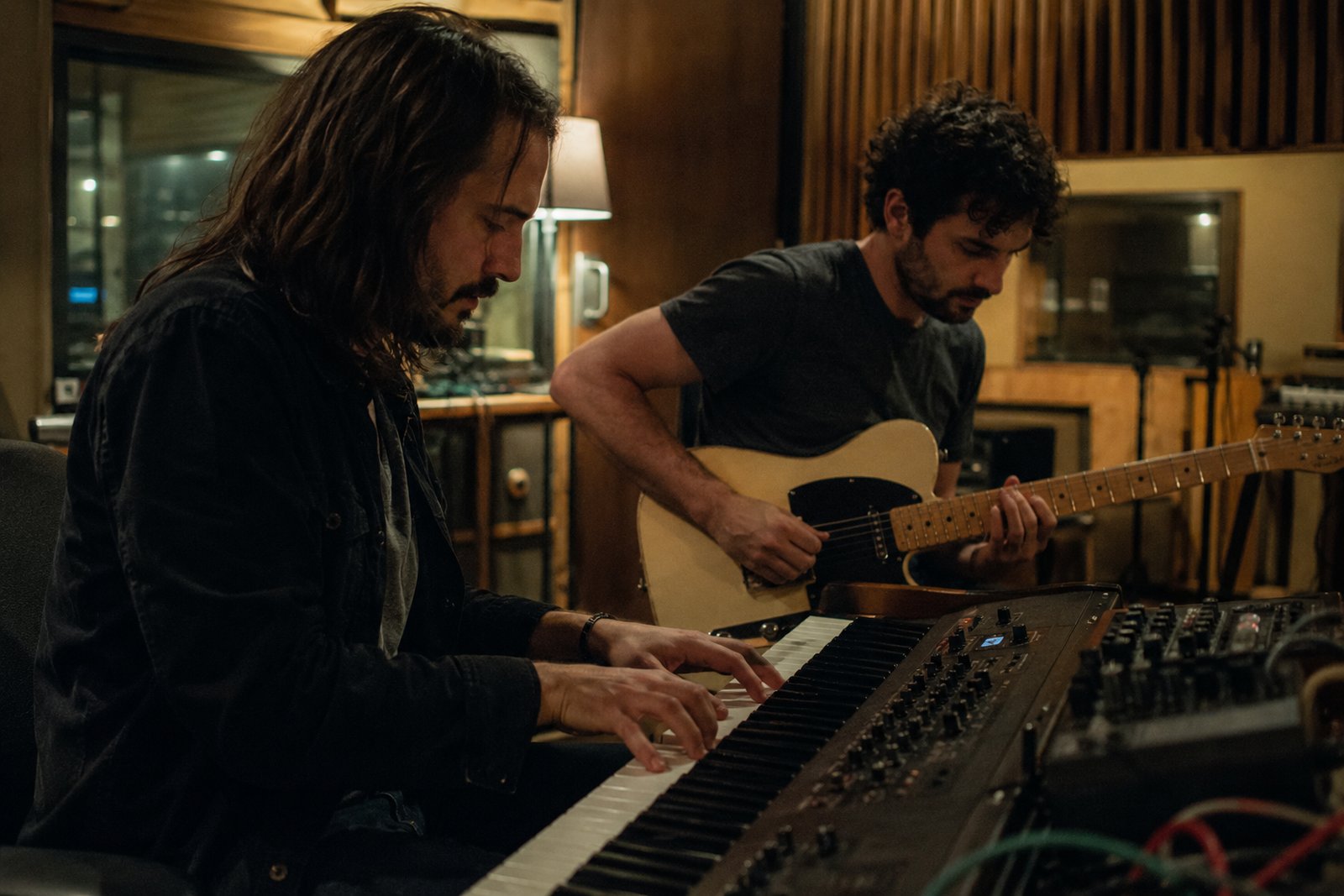
Two artists in a room making a track is the fun bit. The mess shows up later, when the song is done and nobody agreed who gets what.
Most collaborations do not fall apart over creative differences. They fall apart over money, credit, and who was supposed to post on release day. A great track with a vague deal behind it turns into a friendship problem fast, and the song often just never comes out because the awkward conversation keeps getting pushed to next week, forever.
So before you get precious about the art, sort the boring stuff. The artists who collaborate well over and over are the ones who treat the paperwork as part of the music, not an annoying afterthought. Get the structure right once and you can keep saying yes to the next one without dread.
Sort the Splits Before You Write a Note
This is the conversation everyone avoids and everyone regrets avoiding. Have it first, while everyone is excited and feeling generous, not after the track blows up and suddenly real money is on the table and feelings get involved.
- Songwriting splits. Who wrote what, and what percentage each person owns. An even split is a fair default unless someone clearly did more of the lifting, and saying that out loud early is easier than fighting about it later.
- Master ownership. Who owns the recording itself. This is separate from the songwriting, and people forget that distinction constantly, then get a nasty surprise when the money flows two different ways.
- Royalty flow. How streaming money and publishing get divided, and crucially, who collects it and passes it on to everyone else.
- Whose release it is. Is it "Artist A feat. Artist B" or a true joint billing? This decides whose profile it lands on and who the algorithm credits going forward.
Write it down. A signed split sheet is best, and free templates are everywhere online. But even a clear message thread that everyone explicitly agreed to beats a handshake you each remember differently a year from now when the first real payment arrives and the numbers do not match what someone assumed.
None of this has to be a cold legal negotiation. It is two people protecting a friendship by being clear up front. The clarity is the kindness here, not the other way around.
Pick One Distributor, Then Split the Promo
Two artists, two distributors, one song. This trips people up more than anything technical, and it quietly kills more collaborations than bad mixes ever will.
Only one person uploads the track, to one distributor. If you both upload it, you get duplicate releases, split streams across two listings, and a support ticket nightmare that can take weeks to untangle while your release momentum dies. Pick whose account it goes through, usually whoever has the stronger profile for that sound, and make sure the other artist is tagged correctly in the metadata so the song appears on both Spotify and Apple Music profiles. Getting that feature tag right is not optional. It is the single thing that decides whether the track shows up for both fanbases or just one. Done right, one upload feeds two audiences. Done lazily, it lives on one profile and the other artist gets nothing from it but a thank you.
Then split the promo, not just the song. Here is the trap. One artist does all the pushing and the other coasts, then wonders why it underperformed while quiet resentment builds in the background.
- Agree on a shared post date and assets. Same day, same links, coordinated, not whenever each of you happens to get around to it.
- Each artist pitches their own playlists and contacts. Two pitch lists beat one, and you each know your own scene and curators best.
- Cross-post and tag properly. Get on each other's stories, reels, and pinned posts so both audiences actually see it and know it is a real team-up.
A collaboration is two audiences meeting. If only one shows up, you did not collaborate, you guest-starred.
Both fanbases showing up at once is the entire point of a collaboration. One audience doing all the work is just a feature you paid for in goodwill. So pick collaborators whose audience overlaps yours without being identical, so you each bring new listeners the other does not have. And pick people who actually ship. Skill is everywhere. Reliability, the person who hits deadlines and replies to messages, is rare, and it is what makes a collaboration worth repeating instead of a one-time headache you avoid next time.
A Good System Makes Collaboration Repeatable
When you collaborate a lot, the admin stacks up fast. Different splits, different distributors, different promo plans for every single track. That is where it quietly falls apart, not in the studio where everyone is having fun.
A good team or a clear system turns that chaos into a routine. Splits handled the same way every time. One calendar both artists can actually see. Promo roles assigned before anyone has to ask who is doing what. Payments tracked so nobody has to chase a friend for their cut.
When the boring parts run themselves, collaboration stops being a risk and becomes a habit. You get to keep saying yes to the next idea, the next feature, the next joint release, instead of dreading the cleanup from the last one.
And that habit is how scenes get built. The artists who collaborate constantly, who keep showing up on each other's tracks and pulling each other into new rooms, grow faster than the ones who guard everything and go it alone. Every clean collaboration makes the next one easier to say yes to, because the people you worked with trust that you handle the boring parts properly. That trust is the real asset here, more than any single song. That is the difference a system makes. It keeps the fun part fun and the friendships intact, and it turns one good team-up into a long run of them.
Quick answers
How do we split royalties on a collaboration?
Decide percentages up front and put them in a split sheet covering both the songwriting and the master recording. An even split is a fair default unless someone clearly contributed more. Agreeing before release avoids the most common reason collaborations end badly, which is money nobody discussed until it suddenly arrived.
Who should upload a collaborative track to distribution?
Only one artist uploads, to one distributor, to avoid duplicate releases and split streams. Usually it goes through whoever has the stronger profile for that genre. Tag the other artist correctly in the metadata as a feature so the song appears on both Spotify and Apple Music profiles and credits both of you.
What is a split sheet and do I need one?
A split sheet is a simple document listing everyone who worked on a song and what percentage each person owns. Yes, you need one, even for a track made with friends. It prevents disputes later and is what collection societies and distributors rely on to pay everyone correctly down the line.
How do I find artists to collaborate with?
Look for artists whose audience overlaps yours without being identical, so you each bring new listeners to the table. Reach out with a specific idea, not a vague hello. Most importantly, pick people who finish things and reply to messages, because reliability matters more than raw talent for a release that actually ships on time.