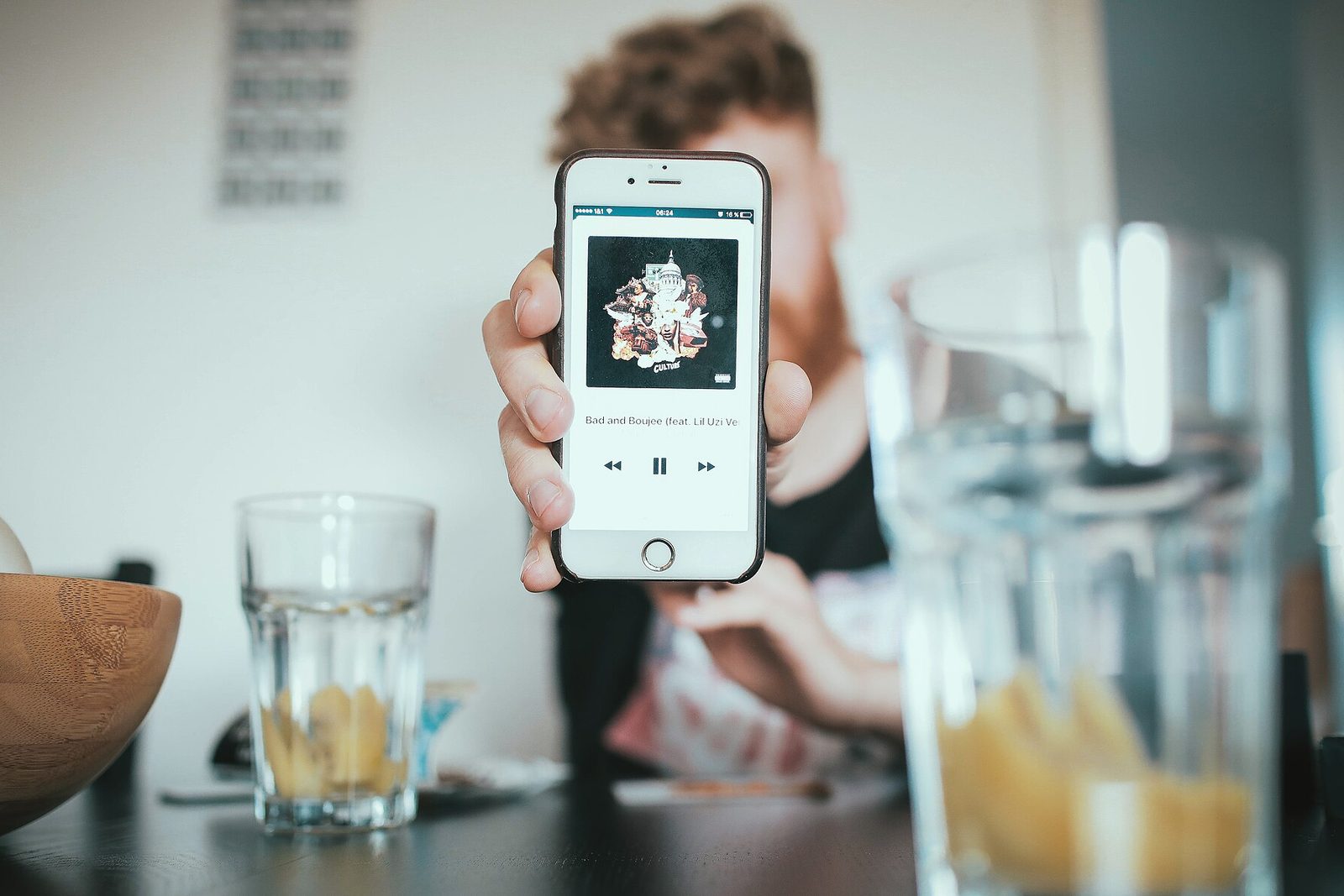
What are the best platforms for submitting music to playlists?
Start with Spotify for Artists, which pitches you free to editorial playlists and is the single most important submission you can make. Then layer in SubmitHub, Groover, and direct outreach to curators. Avoid any service selling guaranteed placements or streams. Those are the ones to run from.
The most valuable playlist submission you can make is completely free, built into a tool you already have, and most artists either forget it or do it too late to count. It is the editorial pitch inside Spotify for Artists, and it has to go in before your song comes out.
Meanwhile the loudest part of this whole space is the bit you should ignore. The internet is stuffed with services promising guaranteed playlist placements and big stream numbers for cash. Most of that is either useless or actively harmful, and telling the good platforms from the predatory ones is half the skill here.
So let me lay out where to actually submit, in the order that makes sense, plus the trap to walk straight past. Some of this is free, some costs a little, and none of it involves paying for guaranteed streams.
Start with the free one that matters most
Before any third-party tool, use Spotify for Artists. When you deliver an unreleased song through your distributor, you can pitch it to Spotify's editorial team directly from your dashboard. It is free, and it is the single highest-value submission in the game because editorial playlists carry real weight and feed the algorithm.
Two rules make or break it. First, timing: pitch at least a week before release, ideally more like four, because a song already out cannot be pitched this way. Miss the window and you have thrown away your best free shot. Second, the pitch itself: fill in the genre, mood, and story properly. A human reads these, and "please add me" loses to a sharp, specific description every time.
Apple Music and others have their own versions through their artist tools too. The principle holds everywhere: the platform's own front door is free, it is high-trust, and it should always be your first stop before you spend a cent elsewhere. Even if you get passed over for an editorial spot, the act of pitching feeds the system information about your song, which is not nothing.
The legit submission platforms
Once the editorial pitch is in, these are the tools worth knowing for reaching curators, playlisters, and tastemakers. They charge in small amounts or credits, and crucially they sell you a shot at a listen, not a guaranteed placement. That distinction is everything.
- SubmitHub. The best-known. You send your track to curators, blogs, and influencers, and you get a real response, often with actual feedback. You pay a small credit to submit, not for placement, and a rejection still teaches you something.
- Groover. Similar model with a guarantee of a reply within a set time. Strong for reaching European curators, blogs, and even labels, with feedback built in.
- Daily Playlists, SoundCampaign, and similar. Connect you to independent playlist curators. Useful, but read carefully and favour ones that promise a genuine listen rather than a fixed number of adds.
- Direct outreach. The unscalable one everyone underrates. Find independent curators whose playlists actually fit your sound and message them like a human. Slower, free, and often the highest-converting of the lot.
A quick word on expectations with all of these. Most of your submissions will get a no, and that is the system working, not failing. Curators who fit your sound saying no is information. A curator who would say yes to anything is one whose playlist means nothing, so the rejections are part of what makes the yeses worth having.
The trap to avoid completely
Here is the line you do not cross. Any service guaranteeing a specific number of streams, or a placement on a big-sounding playlist for a flat fee, is selling you something that ranges from worthless to genuinely damaging. These playlists are often stuffed with bot listeners or uninterested accounts, and the streams evaporate the second you stop paying.
Worse, Spotify and the others actively detect artificial streaming. Buying into these schemes can get your song flagged, your numbers wiped, or your standing with the algorithm quietly wrecked. You are not buying growth, you are renting fake numbers and risking real damage to do it.
If a service guarantees placements or streams, it isn't a marketing tool. It's a way to spend money making your data lie to you.
The simple test: legit platforms sell you a chance to be heard by a real curator who can say no. Predatory ones sell you a guaranteed outcome. Real curation always carries the risk of rejection, because a curator who would add literally anything for money is not a curator worth being on.
How to actually use these
Put it in order and it gets simple. Pitch through Spotify for Artists before release, every time, no exceptions. Then, if you have a small budget and time, send to genuinely fitting curators through SubmitHub or Groover and read the feedback you get back. Run direct outreach in parallel because it costs nothing but effort. Skip anything guaranteeing numbers, full stop.
And remember what playlists are actually for. A good placement is a spark, not the fire. It puts your song in front of new ears, but whether those ears save it, replay it, and follow you depends entirely on the song. The submission gets you the audition. The music has to pass it.
At VRMA we treat playlisting as one lever among several, never the whole strategy, and we steer artists hard away from the paid-placement traps that look like shortcuts and act like sinkholes. If you are staring at a wall of submission services trying to work out which ones are real, sorting the legit from the predatory is a good first thing to get straight.
Quick answers
How do I submit my music to Spotify playlists for free?
Through Spotify for Artists. Once you've delivered an unreleased track via your distributor, pitch it to the editorial team from your dashboard. It's free and it's the highest-value submission you can make. The catch is timing: you must pitch before the song is released, ideally at least four weeks ahead.
Is SubmitHub worth it for independent artists?
For most, yes, as long as you target curators who genuinely fit your sound. You pay a small credit to submit, not for placement, and even a rejection usually comes with feedback you can learn from. It's a chance at a listen, not a guarantee, which is exactly why it's one of the legit options.
Are paid playlist placements safe?
No. Services guaranteeing placements or a set number of streams are at best worthless and at worst harmful. The playlists are often bot-filled, the streams vanish when you stop paying, and Spotify actively detects artificial streaming, which can get your song flagged. Avoid anything that guarantees an outcome rather than a listen.
How long before release should I pitch to playlists?
For Spotify editorial, at least a week, but four weeks or more is much better and gives curators time to consider you. A released song can't be pitched through the editorial tool at all, so missing the window means losing your best free shot entirely. Deliver early and pitch the moment you can.